What we do
Our work sits at the interface of people and nature partnering with Indigenous Peoples, local communities, wildlife agencies, and NGOs, because research that stays in the lab rarely changes the world.
Coexistence, not just conflict
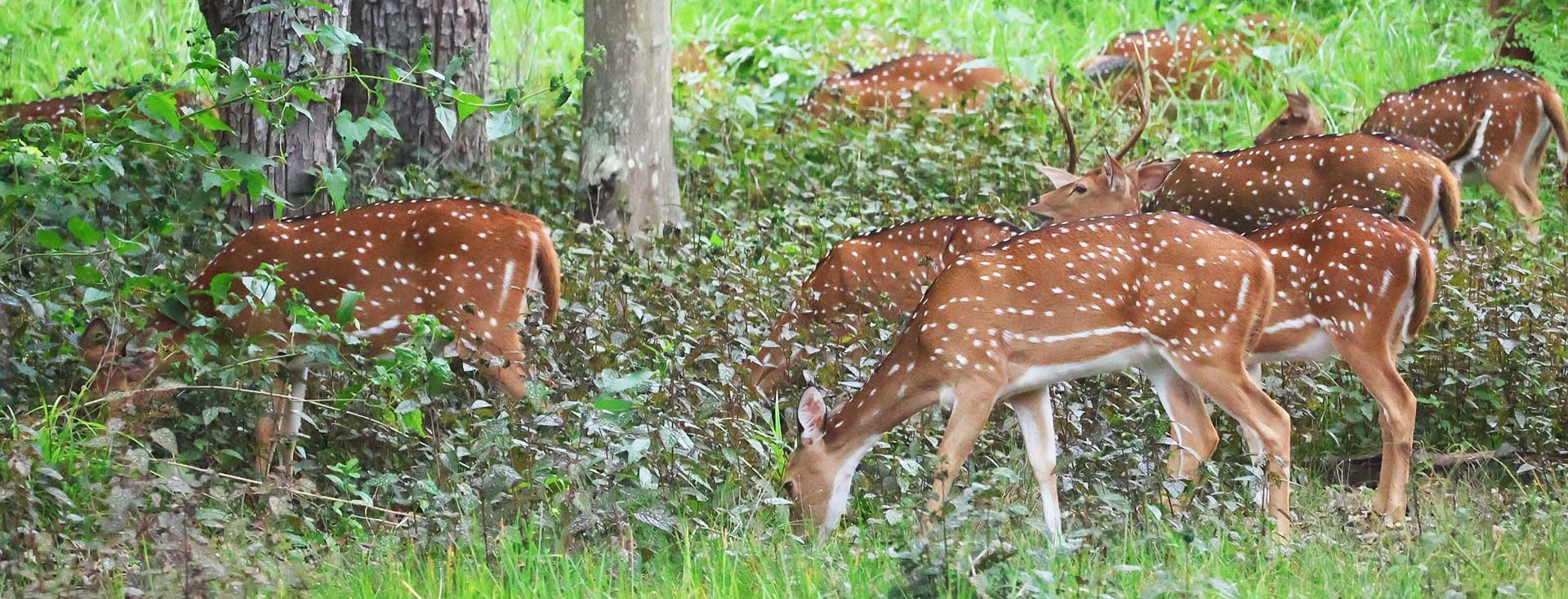
Moving beyond a narrative of human wildlife conflict to capture cooperation, admiration, and the everyday cohabitation that defines real relationships with the wild.
Indigenous & traditional knowledge
Working with Indigenous and local knowledge systems, worldviews, and practices and how these ways of knowing can support land management, biodiversity, and ecosystem restoration.
Methods across scales
Combining fieldwork, community insights, and spatial analysis to understand human–nature relationships from everyday encounters to landscape-wide patterns.

Research that travels
Findings carried beyond the journal through a podcast, documentary film, art, and writing that bring coexistence to the communities and publics it matters to.
Where we work
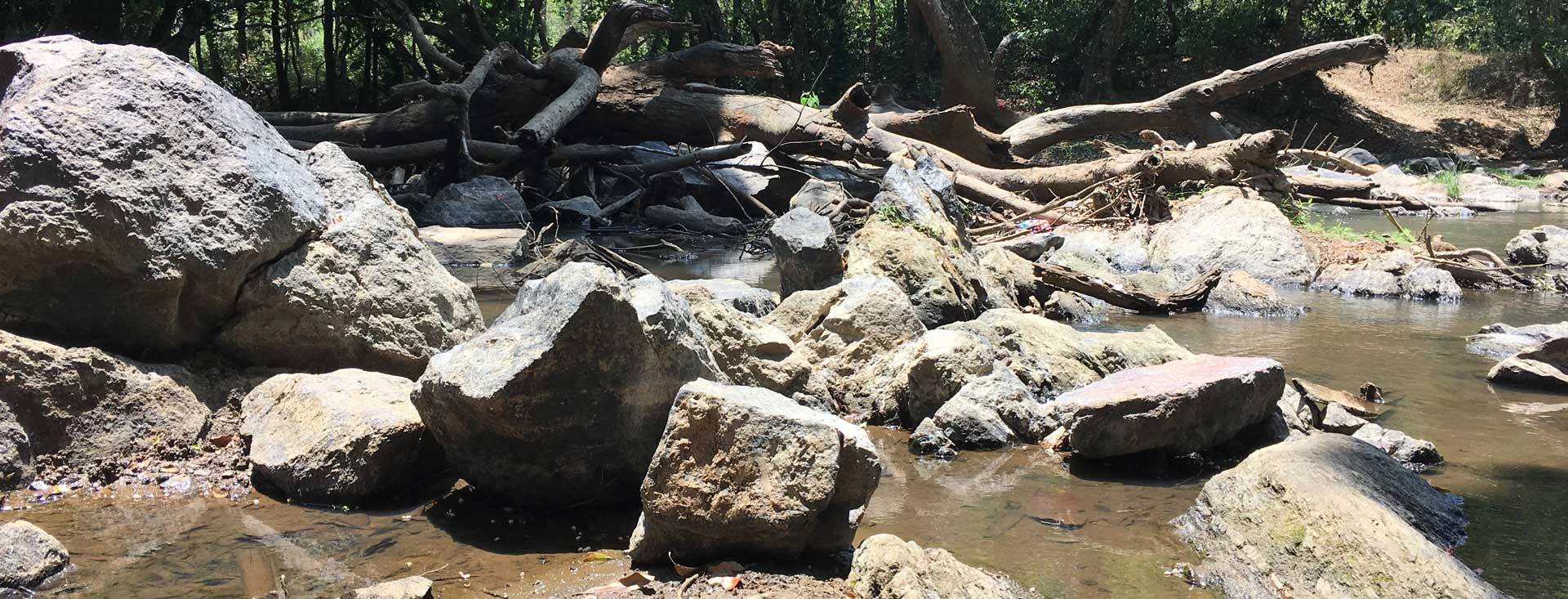
Field sites across Asia,
North America and beyond.
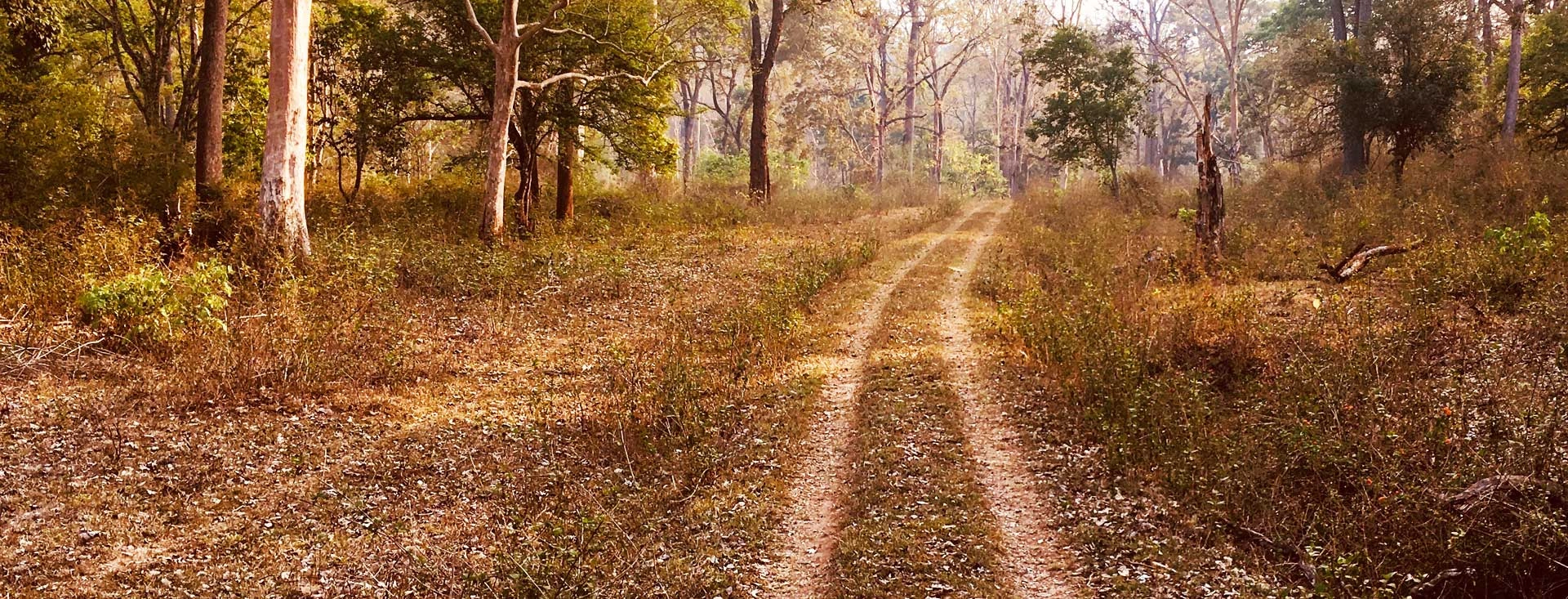
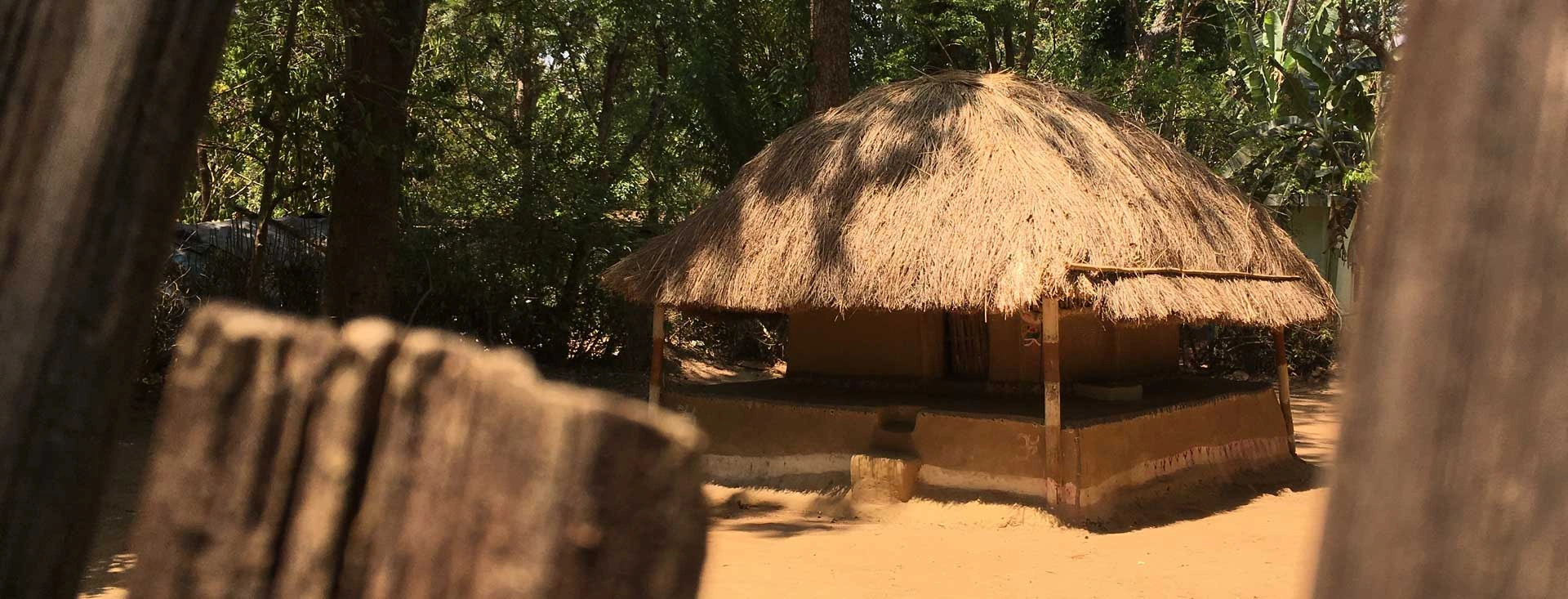
Active projects spanning forests, farms, and Indigenous landscapes each rooted in partnership and collaboration with local people and organizations.
years of fieldwork
and counting community partners
countries
funded research
Disciplines We Draw From
Latest news
From the field, the funders & the lab.
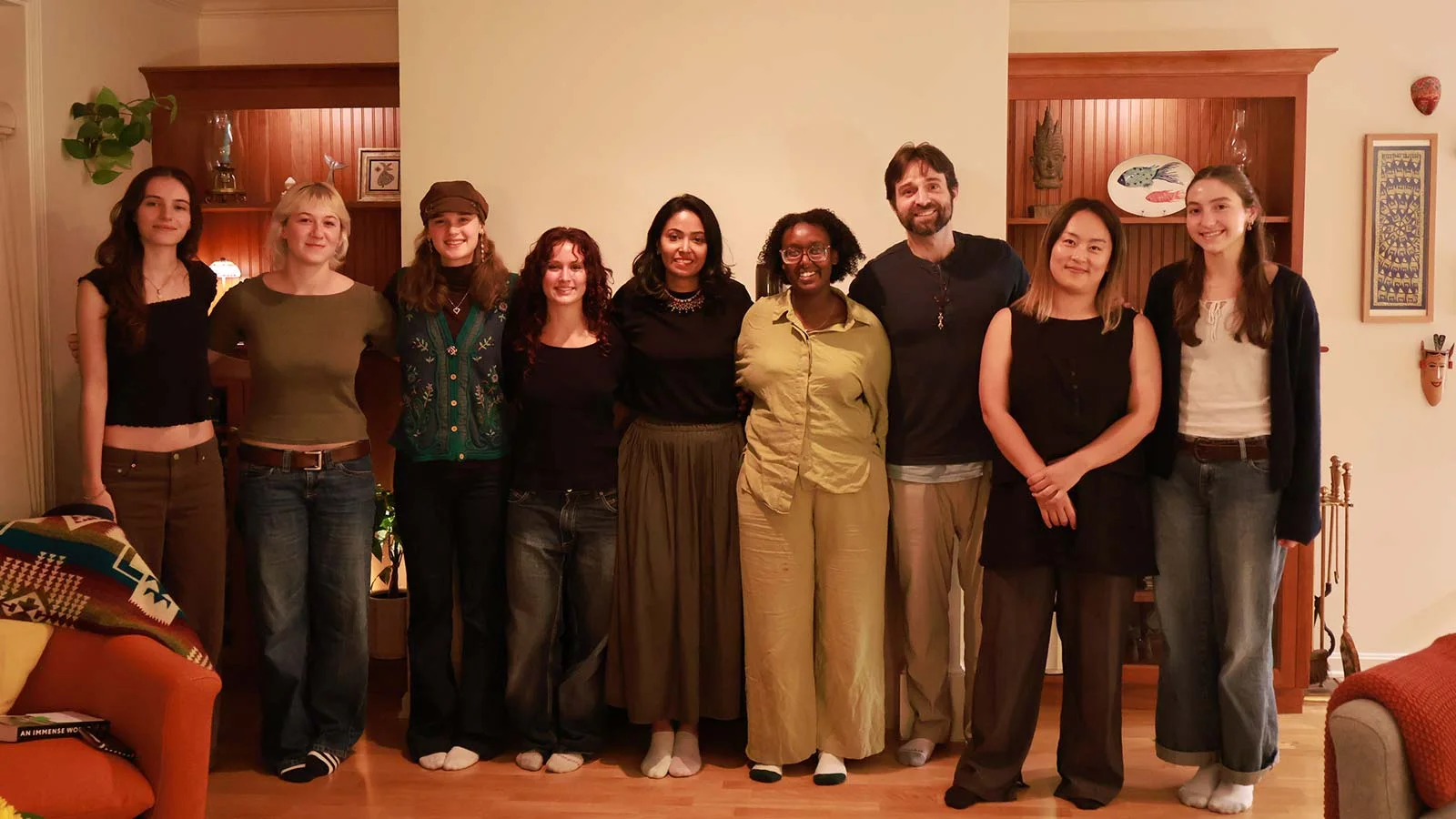
Jolly Human-Nature Lab Grows
October 2026
The Jolly Human-Nature Lab is expanding its team with two new additions. Juwaria Jama joins the lab as a Master's student, working on the project Winter Ice, Landscape Connections, Health, Well-being & Social Resilience in the Lake Champlain Basin. Molly Clough, an undergraduate student, will join as a Research Assistant on the AI-Based Human–Wildlife Coexistence […]
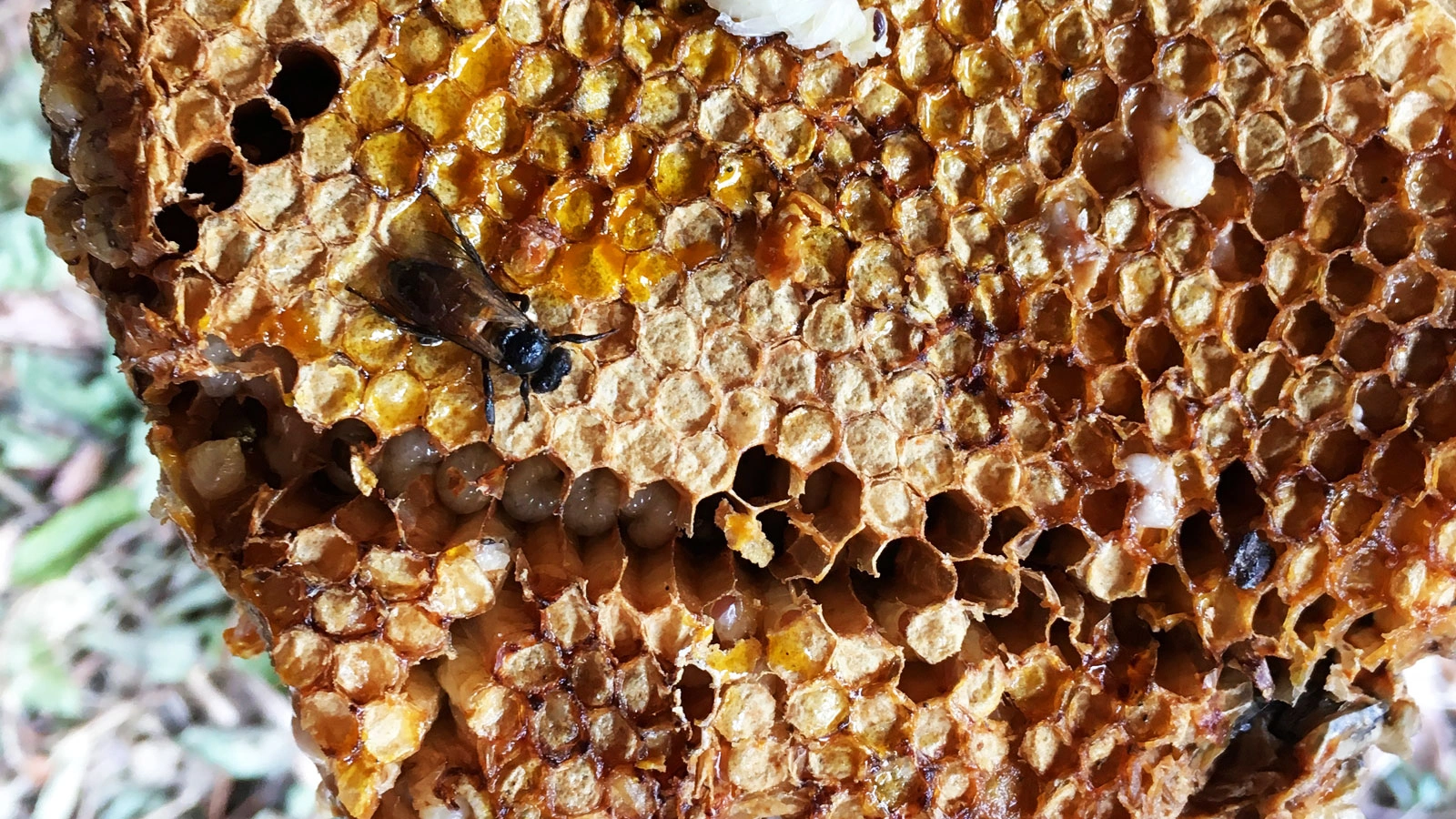
Awarded €10,000 Seed Grant...
October 2026
A Seed Grant from the Centre for Biocultural Worlding (CBCW) has been awarded for the project "Thinking and Being Like a Honeybee: Biocultural Worlding of Humans and Honeybees." The €10,000 grant is jointly sponsored by the Max Planck Institute for the History of Science (Germany) and the NTU Centre for Contemporary Art (Singapore), running from […]
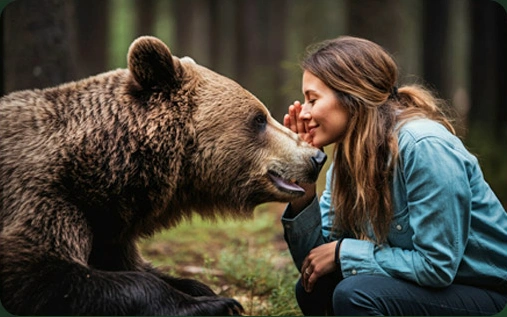
Human-Bear Coexistence Stu...
October 2026
Lab member Maddie Tencza begins fieldwork exploring interactions between humans and black bears in Vermont a collaborative project with Vermont Fish & Wildlife (VTFW). The study examines human-wildlife coexistence and its connections to Indigenous relationships to land, contributing to conservation strategies for black bear management in the state.
Vermont EPSCoR SOCKS Pilot...
October 2026
The lab has been awarded a Vermont EPSCoR SOCKS Pilot Grant (15,000 USD) to build a multimodal data infrastructure integrating narrative and ecological data on human-wildlife interactions in Vermont. The corpus will combine interview data, public discourse (social media, news, forums), trail camera records, wildlife incident reports, and citizen science observations expanding the EPSCoR SOCKS […]